


When the term Isuzu gets mentioned, you probably think about the NQR, Isuzu D-Max, or cab-over trucks, plus a handful of SUVs that are seen daily on the roads. Just a few hours ago, like a few other people here in Kenya, I discovered that during its humble time, Isuzu had something more that people could speak about throughout.
It’s about their V12 Formula 1 engine, and it all began in the 1980s when Isuzu had an aspiration and partnered with various European and United States motor companies. One of the greatest partnerships was between them and General Motors (GM), which created the Chevy Furetta powered by an Isuzu V8 engine.
Up to that point, Isuzu hadn’t even done mass production of an engine with more than 6 cylinders, except for a few 15-liter V12 diesel engines. By 1989, Isuzu had something in mind, and they believed in it: building a race engine.
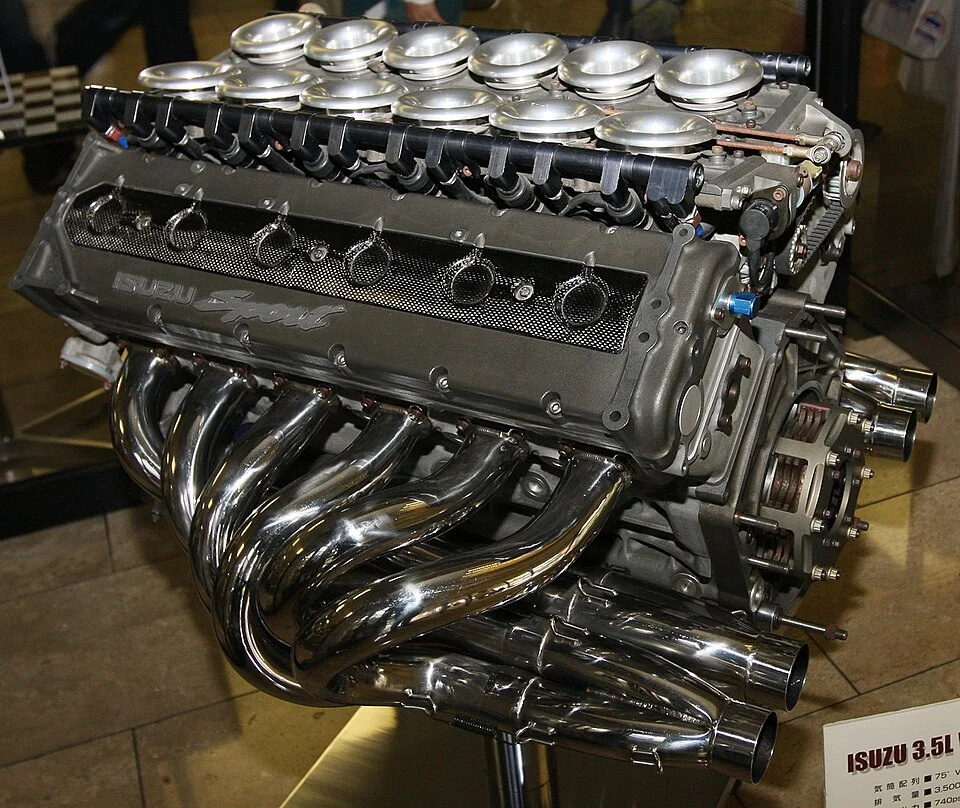
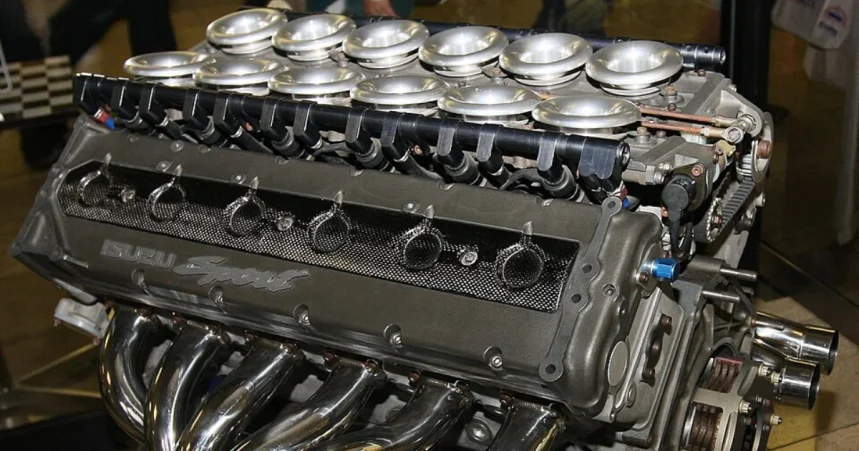
They started off building an Isuzu P799WE 3.0-liter (3,493cc) V12 Formula 1 engine, but some media sources suggest that the engine was originally meant to be an engineering exercise or experimental unit. The P799WE V12 racing engine made over 730 horsepower and 304 pound-feet of torque when revving at 14,000 rpm.
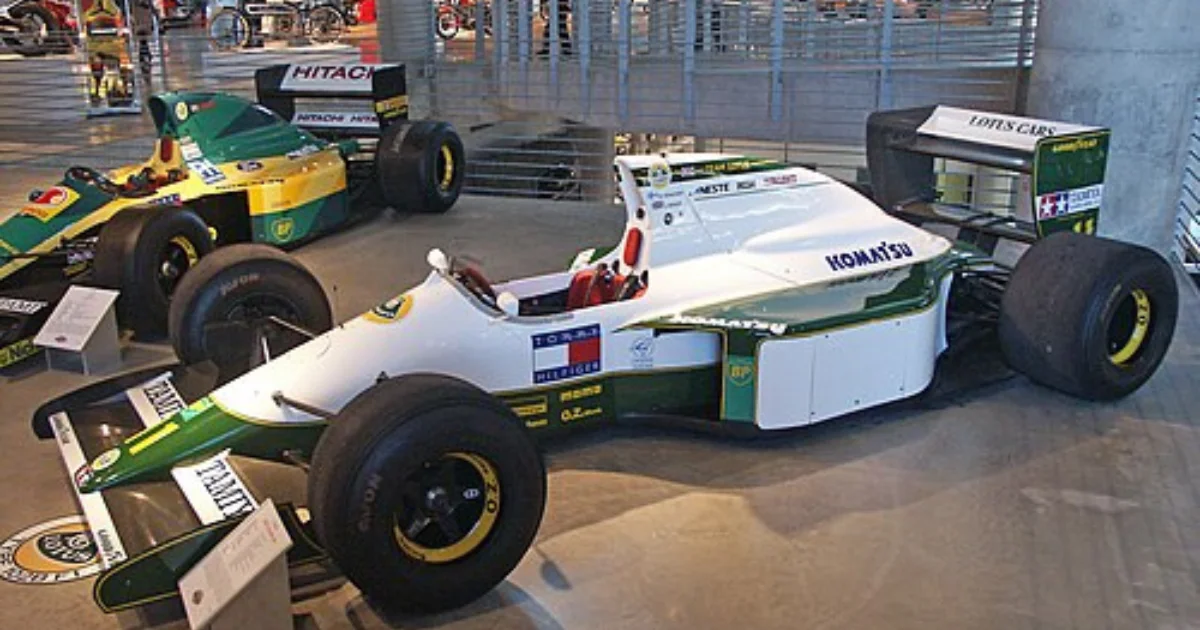
Isuzu got curious and wanted to test it on a real F1 car, which led them to partner with Lotus. The partnership wasn’t new, as they had partnered before, with Lotus involved in the tuning of the 1991 Isuzu Impulse RS suspension.
During the time when Isuzu had manufactured a race engine and was looking for where they would test it, Lotus was also looking for any performance gain on their F1 car, and they agreed to try the Isuzu V12 during the mid-season testing in 1991 that took place at Silverstone.
For testing, they used the engine on the Lotus 102B, which was redesigned to fit the Isuzu racing engine, doing away with the Judd V8. After integrating about 800 new components, the new car was much different from the 102, which led to it being called the 102C.
The Lotus 102C went on track with a McLaren powered by a Honda V12 engine, driven by the late 1991 champion Ayrton Senna. The Lotus finished seconds adrift of its time. It was a test, as Isuzu’s engine didn’t have an alternator, making them rely on heavy batteries on board, which added weight to the car. Additionally, the chassis was designed around a Lamborghini V12, not the Isuzu engine.
The Lotus team manager complimented Isuzu’s engine for making the 730-horsepower V12, which was more powerful than the Judd EV V8, which had 660 hp and was used for that season.
Isuzu may have had significant time for improvement for its V12, but even if they were signed out from Lotus, they had other teams to invest in. However, the project didn’t go on because of many challenges, including funding, and at that time, Japan was going through a tough economic period, which wouldn’t have been the best time to bring up an expensive F1 engine.
About 10 engines were supposedly commissioned, and about 1 and 6 were actually built, with one of them surviving in the Isuzu company museum called Isuzu Plaza. The Isuzu V12 F1 engine program ended after all the effort put into bringing the imagination alive.