

Motor Rove KenyaMotor Rove KenyaMotor Rove Kenya
Font ResizerAa
  • Home
    • News
    • Featured
    • Buyer’s Guide
    • Editors Pick
    • Reviews
  • Stories
    • Feutures
  • More
    • Electric Vehicles
    • Events
    • Mechanical Insights
    • Motorsports
    • Opinion
  • Videos
Reading: Why Mixing Different Car Coolants Can Destroy Your Radiator
Share
Font ResizerAa
Motor Rove KenyaMotor Rove Kenya
  • Home
  • Buyer’s Guide
  • Electric Vehicles
  • Events
  • Featured
  • Mechanical Insights
  • News
  • Videos
Search
  • Home
    • News
    • Featured
    • Buyer’s Guide
    • Editors Pick
    • Reviews
  • Stories
    • Feutures
  • More
    • Electric Vehicles
    • Events
    • Mechanical Insights
    • Motorsports
    • Opinion
  • Videos
Have an existing account? Sign In
Follow US
©2025 BeamFlex Media. All Rights Reserved.
Home » Featured » Why Mixing Different Car Coolants Can Destroy Your Radiator
Featured

Why Mixing Different Car Coolants Can Destroy Your Radiator

By
Ben Temnick
ByBen Temnick
Lead Automotive Journalist
Ben Temnick is a Kenyan automotive journalist and reviewer known for leading the content team at Motor Rove. He has been active in automotive writing since...
Follow:
- Lead Automotive Journalist
1 week ago
3 Min Read
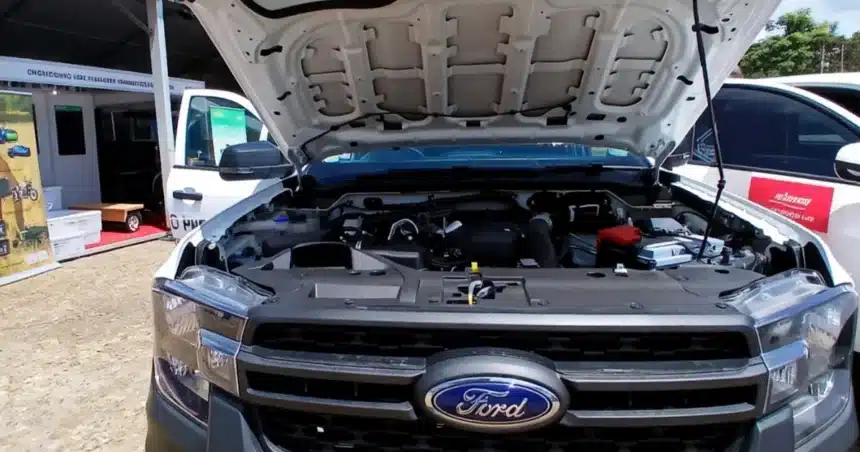
Ford's image with bonnet open
By Ben Temnick
SHARE

What happens when you mix different kinds of coolant?

Have you ever used different types of coolant on your car? If yes, here is what you need to know. 

There are different types and classifications of coolant which are listed at the back of the storage container. For example, an organic coolant (Red Coolant) has key organic acid technologies; the other one is inorganic coolant (Green Coolant).

Contents
What happens when you mix different kinds of coolant?Have you ever used different types of coolant on your car? If yes, here is what you need to know. What happens when you mix them together?What do I do when I want to change from one type of coolant (The Red One) to another type of coolant (The Green one)?Can I use water instead of a coolant?

What happens when you mix them together?

By understanding the purpose of the coolant, which is to take away the heat from the engine and take it to the radiator, where the cooling returns and the circle continues. 

So each coolant is made with different types of chemical composition, each reacting differently when exposed to heat. You can get the first one forming a protective layer and the second one does not form a protective layer. 

After they get mixed and exposed to heat, they combine and form a chemical reaction which forms a jelly-like substance which will end up clogging the radiator fins and the waterways, causing destruction of the water pump or thermostat. For some vehicles, the components are so expensive to replace which will cost huge bills that will cover the repairs of the damage.

What do I do when I want to change from one type of coolant (The Red One) to another type of coolant (The Green one)?

To change from different types of coolant, the first thing is that you will need to do a coolant flushing which can be done in different types of garage close to you. The best recommendation is Precision Automotive, where an experienced technician will drain the entire content of the radiator, green or red coolant and clean out the system and top up the right coolant of your choice.

The other thing is to make sure the cooling system in your vehicle is well maintained to ensure that there is better cooling efficiency.

Can I use water instead of a coolant?

Water sometimes may be acceptable for a short time, especially during an emergency when the car has drained the coolant, and you can’t really find a way to get a new one. Many car owners still rely on water as their way to cool their car’s engine not knowing the long-term issue that has been caused.

Using water can result in rust, corrosion, mineral buildup and engine overheating so fast. Water doesn’t have anti-corrosive properties and has a lower boiling point than a coolant.  Also, water does not contain lubricants that may cause a premature water pump (the water pump dying before its uptime ends).

Sign Up For Daily Newsletter

Be keep up! Get the latest breaking news delivered straight to your inbox.

Check your inbox or spam folder to confirm your subscription.

Share This Article
Flipboard Copy Link
ByBen Temnick
Lead Automotive Journalist
Follow:
Ben Temnick is a Kenyan automotive journalist and reviewer known for leading the content team at Motor Rove. He has been active in automotive writing since 2019 and utilizes a background in automotive engineering to provide technical insights in his reviews. He focuses on delivering honest, data-driven perspectives on the latest vehicles entering the East African market.
Leave a Comment Leave a Comment

Leave a Reply Cancel reply

You must be logged in to post a comment.

RELATED

The New Kenya eLogbook: How to Access and Download Your Documents Online

The New Kenya eLogbook: How to Access and Download Your Documents Online

By Ben Temnick
EPRA Announces New Fuel Prices for May/June 2026

EPRA Announces New Fuel Prices for May/June 2026

By Ben Temnick
NTSA Electronic Logbook illustration

NTSA Shifts to Digital E-Logbooks Ditching the Old Physical Logbook

By Ben Temnick
Faw 6 series JK6

FAW JK6 Interior, Exterior, Performance and Pricing in Kenya

By Ben Temnick
Show More

Motor Rove

About Us

  • Home
  • About Us
  • Privacy Policy
  • Terms and Condition

Categories

  • News
  • Featured
  • Editors Pick
  • Videos

Contact

  • Contact Us
  • Feedback Form
  • Motor Rove Global

Others

  • Newsletter
  • Our Team
  • My Feed
  • My Saves

©2025 BeamFlex Media. All Rights Reserved.

Cookies Policy & Setting